
Renner Safaris
African Photo Safaris
Bring the Safari Home
Shop the Paul Renner Store
Watch and discover what you could see on your next African Photo Safari
2026 African Photo Safari Dates
To reserve your space on our photo safaris, please call Best Safaris and speak with Prem Sharma 714-349-7112
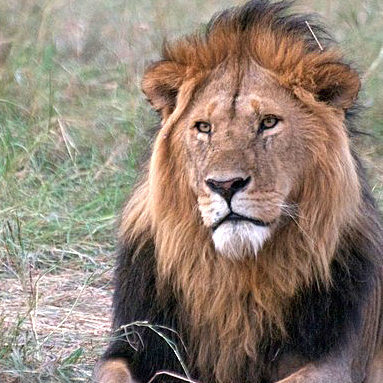
June 2026 Tanzania & Kenya
13 Day Guided Tanzania & Kenya Migration Photo Safari
June 12 – 25, 2026
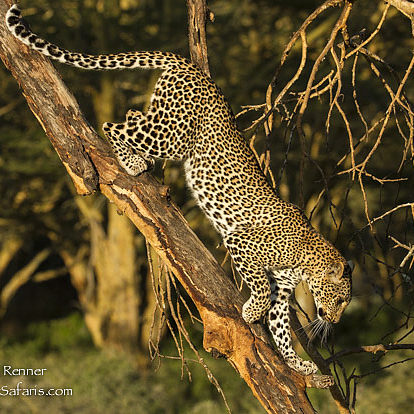
July 2026 Kenya
13 Day Guided Kenya Migration Photo Safari
Jul 8 – Jul 20, 2026
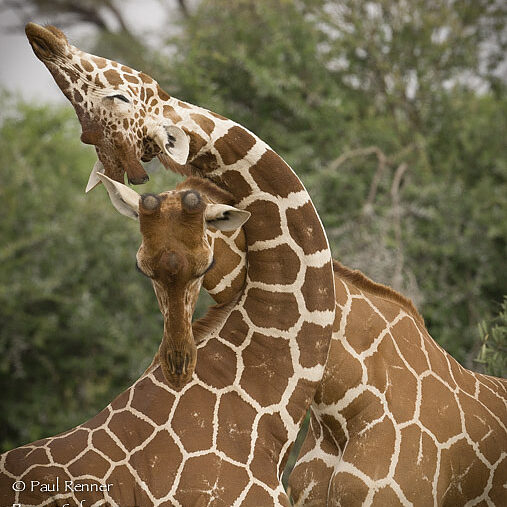
August-September 2026 Kenya
13 Day Guided Kenya Migration Photo Safari
Aug 21 – Sept 2, 2026
To reserve your space on our photo safaris, please call Best Safaris and speak with Prem Sharma 714-349-7112 .
HAVE YOU EVER DREAMED ABOUT GOING ON AN AFRICAN PHOTO SAFARI?
Our African photo safaris are designed to maximize wildlife viewing, whether it is for serious photography or simply the thrill of observing animals in their natural habitat. Bring your dream to reality on your trip of a lifetime, an African photo safari led by professional photographic tour leader G Kabue!
Experiencing mother nature in her purest form, while on our photo safaris in Africa, leaves one with the feeling of wonderment, awe and exhilaration. It is truly one of the most thrilling experiences you will ever have! Imagine a powerful male lion walking right up to your vehicle, then pausing to look directly into your eyes before he moves on. It leaves you feeling as though he has touched your soul.
African Photo Safaris
Get up close and personal with Africa’s amazing wildlife!
Watch this short video to learn more

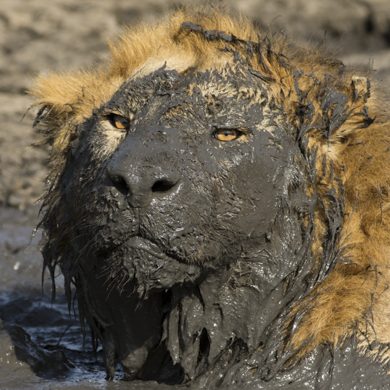
IT’S WILD!
Get up close and personal with Africa’s amazing wildlife!
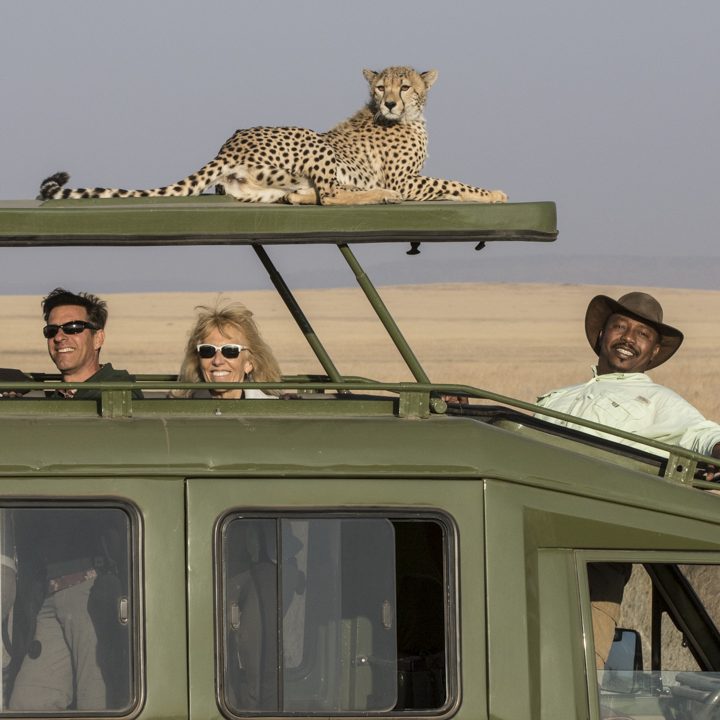
NEVER MISS A PHOTO!
Only 3 passengers per 9 passenger 4×4 Safari Land Cruiser

RELAX IN BEAUTIFUL LUXURY
Your safari includes Safari Lodges and Permanent Tented Camps.
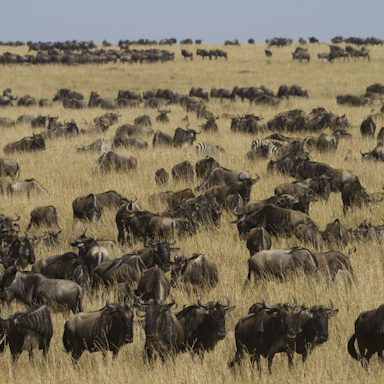
NOT TO BE MISSED!
Photograph the miracle of the great migration!
Client Testimonials
Don’t take our word for it – here’s what our clients say:
“My African photographic safari with Paul exceeded all my expectations. It is a very special experience for anyone who wants more than an African vacation. It will give you an in-depth experience of African wildlife and nature that will seep into your consciousness and gift you with love and understanding of the land and its ways that you only thought you knew something about…
“I had only one expectation – okay, a pretty BIG one – when signing on for Paul Renner’s African Photo Safari. All I was asking for was a trip of a lifetime. I am most happy to report my singular expectation was exceeded…
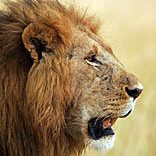
“I am finally documenting the phone call by my wife Donna just after our trip to Kenya with Paul Renner. In short, the safari exceeded all our expectations.
As a long-time underwater photographer, I was overwhelmed by the number of photo opportunities provided, which allowed me to take about 4000 pictures. I usually don’t take this many pictures on any photography trek…
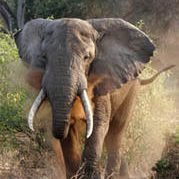
Read about our Latest Photo Safaris
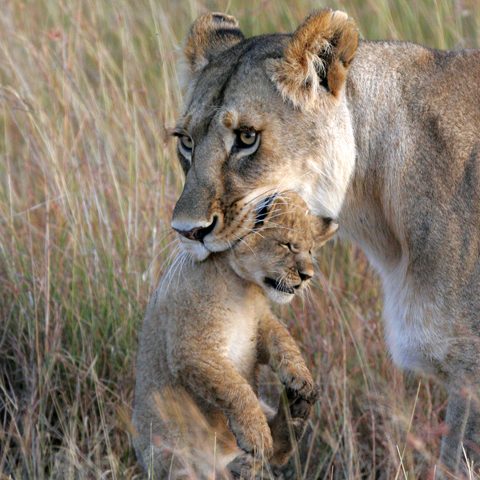
Photos from our Tanzania and Kenya Photo Safari
I am thrilled that our safaris just keep getting better and better! It is always a thrill for me when after a safari I hear many clients say “that is one of the best things I have ever done”
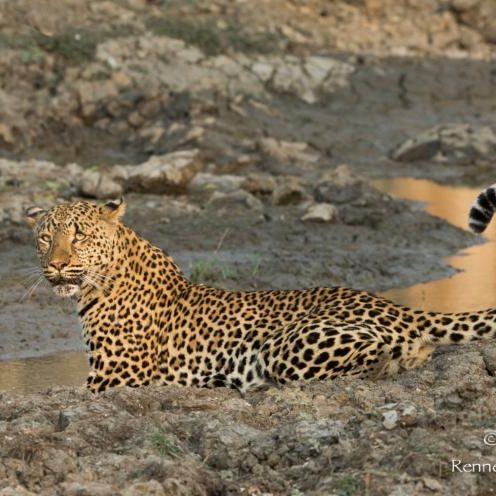
Photos from our Zambia, Botswana & South Africa Safari
On the safari to Zambia, Botswana & South Africa we had a wonderful group of people who were all returning clients and most had already become friends on previous Renner Safaris in Africa. We had a fabulous time and an incredible safari!
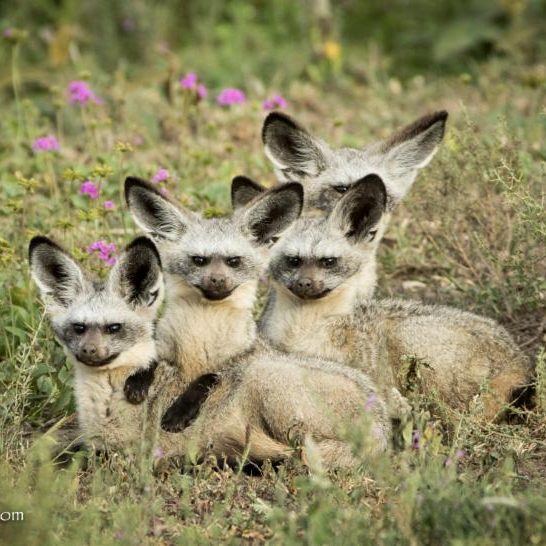
Photos from our Tanzania and Kenya Safari
Our trips are high quality, exciting photo adventures that will take you to the best places in Africa for photographing wildlife!